




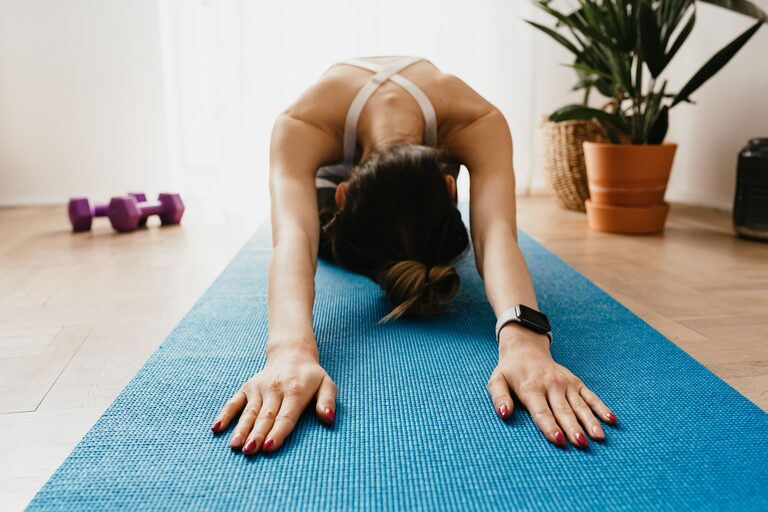
Stretching is a simple yet powerful way to improve your overall health and well-being. Whether you’re looking to increase flexibility, reduce muscle tension, or just find a moment of calm during your busy day, stretching at home is a convenient and accessible option. This beginner’s guide will walk you through the basics of stretching, explain its benefits, and offer easy-to-follow routines you can try in the comfort of your own home.
Why Stretching Matters
Stretching helps your muscles stay flexible, strong, and healthy. When muscles are tight, they can cause discomfort and limit your range of motion. Regular stretching can:
– Improve your posture
– Increase blood flow to muscles
– Reduce risk of injury
– Help relieve stress and tension
– Enhance athletic performance
Even if you’re not very active, gentle stretching can keep your body feeling good.
When and How to Stretch
Best times to stretch:
– After waking up, to loosen your body
– Before exercise, as part of a warm-up
– After exercise, to help muscles recover
– During breaks if you sit for long periods
Stretching safety tips:
– Never stretch to the point of pain
– Hold each stretch for at least 20-30 seconds
– Breathe deeply and relax while stretching
– Warm up first with a few minutes of light movement, like walking in place
Types of Stretching
Static stretching
This involves holding a stretch in one position for a set time (usually 20-30 seconds). It’s the most common type and great for beginners.
Dynamic stretching
Involves moving parts of your body through a full range of motion. It’s often part of a warm-up routine before exercise.
Active stretching
Holding a stretch using the strength of your muscles without assistance.
Passive stretching
Using an external force like a strap or a partner to help deepen the stretch.
For beginners at home, static stretching is usually the easiest and safest place to start.
Essential Beginner Stretches You Can Do at Home
Here are some simple stretches targeting key areas of the body. Perform each stretch gently, and repeat 2-3 times if you like.
1. Neck Stretch
– Sit or stand tall.
– Slowly tilt your head to one side, bringing your ear toward your shoulder.
– Hold for 20-30 seconds.
– Switch sides.
2. Shoulder Stretch
– Bring your right arm across your chest.
– Use your left hand to gently press your arm closer to your chest.
– Hold for 20-30 seconds.
– Switch arms.
3. Chest Opener
– Clasp your hands behind your back.
– Gently lift your arms and open up your chest.
– Keep your spine straight and hold for 20-30 seconds.
4. Cat-Cow Stretch (Spine)
– Start on your hands and knees.
– Arch your back toward the ceiling (cat), then dip it toward the floor while lifting your head (cow).
– Repeat slowly 5-10 times to loosen your spine.
5. Seated Hamstring Stretch
– Sit on the floor with one leg extended.
– Reach toward your toes, keeping your back straight.
– Hold for 20-30 seconds.
– Switch legs.
6. Quadriceps Stretch
– Stand tall, holding onto a chair or wall for balance.
– Bend one knee, bringing your heel toward your buttocks.
– Hold your ankle with your hand and keep knees close together.
– Hold for 20-30 seconds.
– Switch legs.
7. Calf Stretch
– Stand facing a wall, one foot forward and the other back.
– Press your back heel into the floor, keeping your leg straight.
– Lean into the wall until you feel a stretch in your calf.
– Hold for 20-30 seconds.
– Switch sides.
Tips for Building a Stretching Routine
– Make stretching a daily habit, even if just for 5-10 minutes.
– Combine stretches targeting different areas for balance.
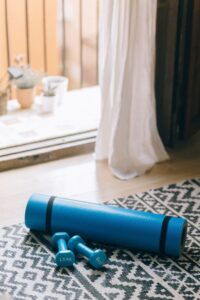
– Use a yoga mat or soft surface for comfort.
– Listen to your body and adjust stretches as needed.
– Consider gentle music or deep breathing to enhance relaxation.
When to Seek Help
If you experience sharp pain during stretching or have a medical condition affecting your muscles or joints, consult a healthcare professional or a physical therapist before beginning a new routine.
Final Thoughts
Starting a stretching routine at home is a wonderful way to nurture your body and mind with minimal time and equipment. By incorporating simple stretches into your day, you’ll likely notice improvements in flexibility, comfort, and overall wellness. Remember, consistency is key—so start slow, be gentle, and enjoy the process of moving your body more freely.
Happy stretching!